

Ayurveda against the winter blues
Ayurveda against the winter blues
This article appeared in the Feb/March 2017 issue of "Yoga Aktuell"
For many people, the dark season also casts its shadow on the psyche. The cold and dreary days of winter not only strain the body's immune system, but also put a strain on mental balance. What some people experience only as a contemplative retreat in a melancholy mood, for others escalates into a real winter depression, the so-called winter blues.
What is this seasonal affective disorder (SAD) all about? Why do people who enjoy normal health and good mental resilience for most of the year suffer from depressive symptoms in winter? Why some more than others?
Ayurveda, the traditional medicine of India, refers to depression as vishada and explains the phenomenon of winter depression in a very interesting way. As the science of healthy living, Ayurveda is aware of the major influences of the weather and the seasons on physical and emotional well-being. Regardless of the individual constitution or individual preferences, a lack of light, warmth and sun always leads to an excess of Vata, which is the main factor responsible for winter depression.
Winter time is Vata time
From an Ayurvedic point of view, there are two winter phases, each characterized by slightly different qualities that influence our health. At the beginning of winter, when the wind is stronger and the sun is weaker, we enjoy an active metabolism and an appetite that can cope with stress. However, as winter progresses, our physical and mental strength begins to flag. The body is now prone to all kinds of colds, weaknesses, increased pain and restrictions of the musculoskeletal system. On a psychological level, the persistent lack of light, coupled with excess cold, can lead to the typical Vata symptoms of winter depression: an inner feeling of "emptiness" that begins with difficulties waking up in the morning and results in a lack of energy, pessimism, difficulty concentrating, withdrawal from friends, family and social activities.
If you want to counteract the winter blues, you can take targeted measures with the seasonally adapted nutrition and health recommendations of Ayurveda to prevent it in early winter and find immediate help against acute symptoms in late winter. These measures not only help through the Vata-dominated winter period, but also serve as prophylaxis for spring. In Ayurvedic terms, the latter is characterized by increased Kapha dosha, which can also cause depression. These can prolong the winter blues: with a persistent feeling of heaviness and sluggishness, accompanied by a tendency to excessive sleep (spring fatigue) and constant cravings for food.
Early and late winter
Early winter begins in October and ends shortly before Christmas. During early winter, our metabolism (Agni) is very strong because it is kept going by contact with cold wind. Even a normally rather weak digestive system is now able to digest heavy food.
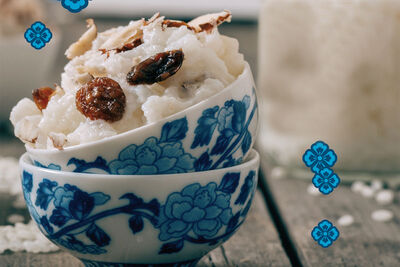
It is therefore particularly important to ensure that the food we eat is of good quality. If we eat too little or too light food, we run the risk of burning through our energy reserves due to our extremely active metabolism. To avoid this, we should avoid fatty and oily foods as well as sour, salty and sweet foods. For those who would like to lose a little weight, early winter is the ideal time of year to let the pounds tumble off almost by themselves with a kapha-reducing diet. To increase mental well-being, Ayurveda recommends all foods that reduce vata, strengthen the immune system (ojas) and harmonize the mind. In addition to almonds, walnuts and raisins, these include pumpkin, ghi, spelt and rice. Spices such as coriander, cinnamon, cloves and saffron also have a particularly good effect on digestion and the immune system. With this in mind, we can consider stewed baked apples with nut filling, pumpkin soup with coriander and cloves or a cinnamon rice pudding as a suitable anti-depression diet in the run-up to Christmas.
Late winter begins after Christmas. Now the digestive fire weakens and the body builds up more Kapha to protect itself from prolonged cold and emaciation. As a result, many people start the new year with a Vata-Kapha disorder, which further increases the tendency towards winter depression. To stop the negative influences of the cold and harsh season, foods and spices with a heating quality (ushna) and immune-boosting factor (rasayana) help. Beet, carrots, cashew nuts, ginger, turmeric, pepper, mustard seeds and sesame (oil) are particularly healthy now. The occasional glass or two of red wine is also recommended during this period of the year. This is expressly recommended to dispel worries and strengthen the immune system. Furthermore, Ayurvedic scriptures emphasize that winter is also the ideal period for sexual activity. To put it bluntly, you could say that wine, sex and hot spices are used as an Ayurvedic medicine chest or as prevention against winter depression.
Detox in spring gives new lightness
If you want to rid yourself of the legacy of the gloomy winter in spring, you should ideally start at the end of February or in March (depending on the weather). Only when the days become longer, brighter and warmer again do the circulation channels (srotas) open up to eliminate the waste products (ama) accumulated during the winter. Light and bitter foods, such as the first spring herbs, spinach, barley or mung beans, are now well suited for a cleansing cure that dispels physical and mental heaviness. Ayurveda recommends pippali (Piper longum) as a special "detox spice". The long pepper stimulates detoxification and fat burning, strengthens the immune system and has a stimulating effect on the mind. As a result, 1-2 g of pippali in the morning is often enough to defy spring tiredness and promote the reduction of winter fat. Those who also suffer from hay fever benefit in two ways, as Pippali is also traditionally used as a medicine for respiratory and autoimmune diseases. For this purpose, it is administered curatively for two weeks in ascending and descending quantities with warm water before lunch. The so-called "Pippali Step Cure" is carried out under the guidance of an experienced Ayurveda specialist and has already helped many patients.
This article is intended for general information only and does not replace medical advice, diagnosis or treatment. Since the effect of Ayurvedic herbs and dietary supplements depends individually on one’s constitution and life situation, we recommend obtaining a therapeutic diagnosis and prescription from a qualified Ayurveda practitioner before use – particularly regarding dosage, timing and duration of intake. Any application is at your own responsibility.