

Ayurveda for diabetes
Ayurveda for diabetes
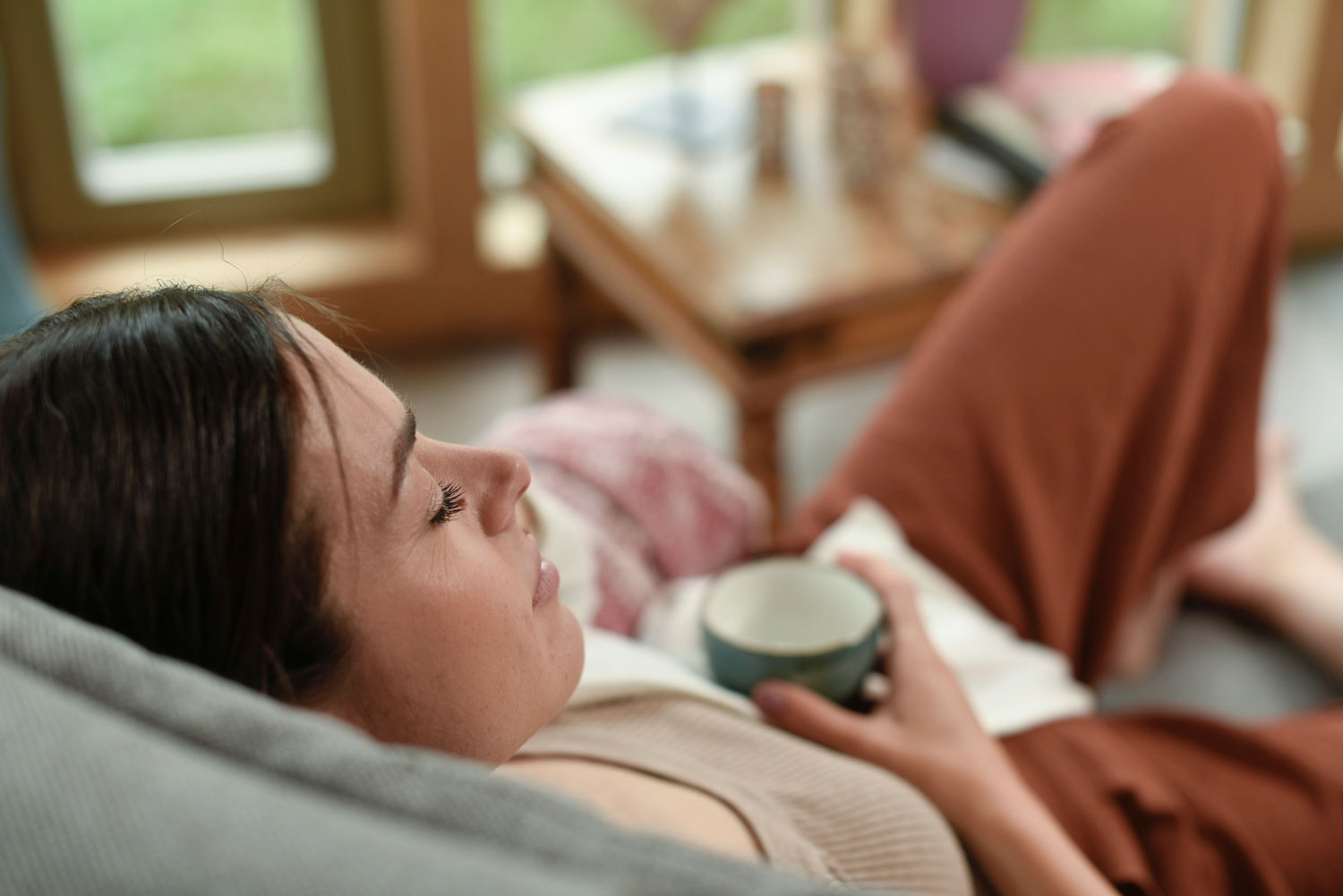
Eine Frau entspannt liegend mit einer Tasse Tee. Ruhepause während einer Ayurveda-Kur im Rosenberg Ayurveda Gesundheits- und Kurzentrum in Birstein, Hessen – Ayurveda-Kuren in Deutschland und Europa.
Even though in Indian culture the god Ganesha is loved for his small stature with a big belly and his great fondness for sweets, feasts and a leisurely lifestyle, from a medical point of view he would be a clear case for diabetes. This widespread disease is strongly promoted by the lifestyle embodied by God Ganesha - eating too much and moving too little - and affects around 9 million people in Germany alone.
Despite the intensification of many stress factors that characterize our modern life, such as poor diet, mental stress, lack of exercise and obesity, diabetes is a very old disease. The writings of the Artha veda (2500 B.C.) already describe the excessive excretion of urine, and later the Ayurveda textbook Charaka samhita deals with the clinical picture in detail.
Prameda and Madhumeha
Charaka describes two forms of diabetes: Prameha, which means "large urine" and is considered a precursor to Madhumeha, the "sweet" urine. Whenever the amount of urine flows over 800 ml per day and 6 times a day, we can speak of excessive "large" urine. If it is also cloudy, dark and syrupy, the Madhumeha stage of "sweet" urine has been reached.
From an Ayurvedic point of view, diabetes is one of the diseases that can be treated with diet. With comparatively simple measures such as a light, kapha-reducing diet, appropriate exercise (yoga), vitalizing herbal massages (udvarthana) and gentle elimination therapies (pancakarma), all forms of diabetes can be treated according to type.
The basis of any diabetes therapy is the right diet. In Ayurveda, this also consists of five small meals that nourish the body and provide it with lasting energy. Small, regular meals with easily digestible, dry and bitter foods characterize the diet.
Recommended foods |
Foods that are not recommended |
|
All very sweet, abrasive, oily and heavy foods should be avoided, such as
|
Ayurvedic diet for diabetes
The most important recommendation for the diet is the right amount. The diabetic must learn to be content with small meals. Despite all this, he should not feel any lack or hunger. For this reason, Ayurveda recommends the consumption of a small, dietary dessert, which should be taken at the beginning of the meal. This satisfies the excessive appetite with its heavy and dry properties and prevents cravings.
Each meal should contain all six flavors, but sweet, sour and salty should be used sparingly. At the end of the meal, buttermilk and bitter substances - in the form of herbs or green tea - help to support the body in its digestive work and lightness.
Laddus, a small confection made from chickpea flour, or dry cakes made from barley are ideal for a sweet start. Sweeten with brown sugar and honey. As spices, cinnamon, saffron and ginger not only improve the taste, but also reduce Kapha, as they stimulate the digestive fire (Agni) with their heating or scraping properties and eliminate waste products (Ama).
However, the best spice for diabetes is turmeric. In addition to a healthy diet, Ayurvedic herbal mixtures also help to balance the pathophy-siological factors that Ayurveda describes as an increase in Kapha, Meda, Mamsa and Kleda, a disturbance in fat metabolism (Meda-Dhatvagni) and kidney excretion (basti dushti).Ayurveda recommends the combination of turmeric and amla as the best and generally well-tolerated food supplement, which can be taken several times a day mixed with warm water. The second recipe is Triphala, a powder mixture of the three fruits Amalaki, Haritaki and Bibitaki, which is recommended in the evening with a little honey.
However, the best spice for diabetes is turmeric. It is also recommended in large quantities as a therapeutic agent, as it is the most effective natural remedy for blood purification.
In addition to a healthy diet, Ayurvedic herbal mixtures also help to balance the pathophy-siological factors that Ayurveda describes as an increase in Kapha, Meda, Mamsa and Kleda, a disturbance in fat metabolism (Meda-Dhatvagni) and kidney excretion (basti dushti). Ayurveda recommends the combination of turmeric and Amla as the best and generally well-tolerated food supplement, which can be taken several times a day mixed with warm water.
The second recipe is Triphala, a powder mixture of the three fruits Amalaki, Haritaki and Bibitaki, which is recommended in the evening with a little honey.
Daily schedule: 5 small meals stabilize the digestive fire |
||
| Time of day | Meal time | Menu - ingredients see list of recommended foods |
| 7.00 | Breakfast | Barley or millet porridge, stewed fruit with ginger, barberry and turmeric, toast, yoghurt, honey, hot/boiled water |
| 10.00 | Snack. | Buttermilk with spices or a fruit |
| 14.00 | Lunch | Cereals, pulses or meat, vegetables, raw vegetable salad with fresh sprouts, small dessert at the beginning of the meal |
| 18.00 | Dinner | Barley or millet (as flatbread, bulgur, pasta) with vegetables, possibly pulses, small portion of raw vegetable salad with lemon if you have a strong appetite |
| 21.00 | Snack | Light soup/broth with toast or 1 cup of warm milk with turmeric |
| Alternatively, afternoon tea with dry cookies can be taken around 5.00 pm and a late dinner before 8.00 pm. | ||
Recognize the signs
Whether you have a Vata, Pitta or Kapha constitution - anyone can get diabetes. Only the manifestations and forms vary according to the individual constitution. For example, Ayurvedic literature distinguishes the sub-stages of urine analysis into 10 Kapha, 6 Pitta and 4 Vata forms and describes the different types of diabetes for fat and thin people, making it all the more important to recognize the first signs of a tendency towards diabetes in order to take preventative measures against this serious disease.
The symptoms of the preliminary stage are
- heavy dental plaque
- yellowish tongue coating
- weeping eyes
- Lethargy
- physical tiredness without activity
- Preference for very cold drinks, aversion to hot drinks
- excessive sweating, sweaty and burning soles of hands and feet
- excessive thirst
- increased nail and hair growth, hair becomes more curly
- sweetish urine that is liked by ants
If our lives include diabetes-increasing factors such as heavy and too frequent meals, lack of exercise and mental stress, we should be aware of the symptoms described. They develop quickly - even children can suffer from them - and are an alarming warning signal that should be taken extremely seriously. Preventive measures to reduce Kapha now help to prevent diabetes.
The best protection for obese patients at risk is a Pancakarma cure. This enables the complete elimination of stress factors and regenerates the metabolism and its organs on a functional level. Those who have not yet developed noticeable Kapha and Meda accumulations in the body can also achieve a great deal with the help of an Agni-stimulating diet, a regular exercise program and the avoidance of mental overload and negative emotions such as greed, anger, envy and phlegmatism. Ayurvedic spices and herbs also help with the physical and psycho-mental rebalancing for a life without diabetes.
This article is intended for general information only and does not replace medical advice, diagnosis or treatment. Since the effect of Ayurvedic herbs and dietary supplements depends individually on one’s constitution and life situation, we recommend obtaining a therapeutic diagnosis and prescription from a qualified Ayurveda practitioner before use – particularly regarding dosage, timing and duration of intake. Any application is at your own responsibility.