

Ayurvedic herbs for clever minds
Ayurvedic herbs for clever minds
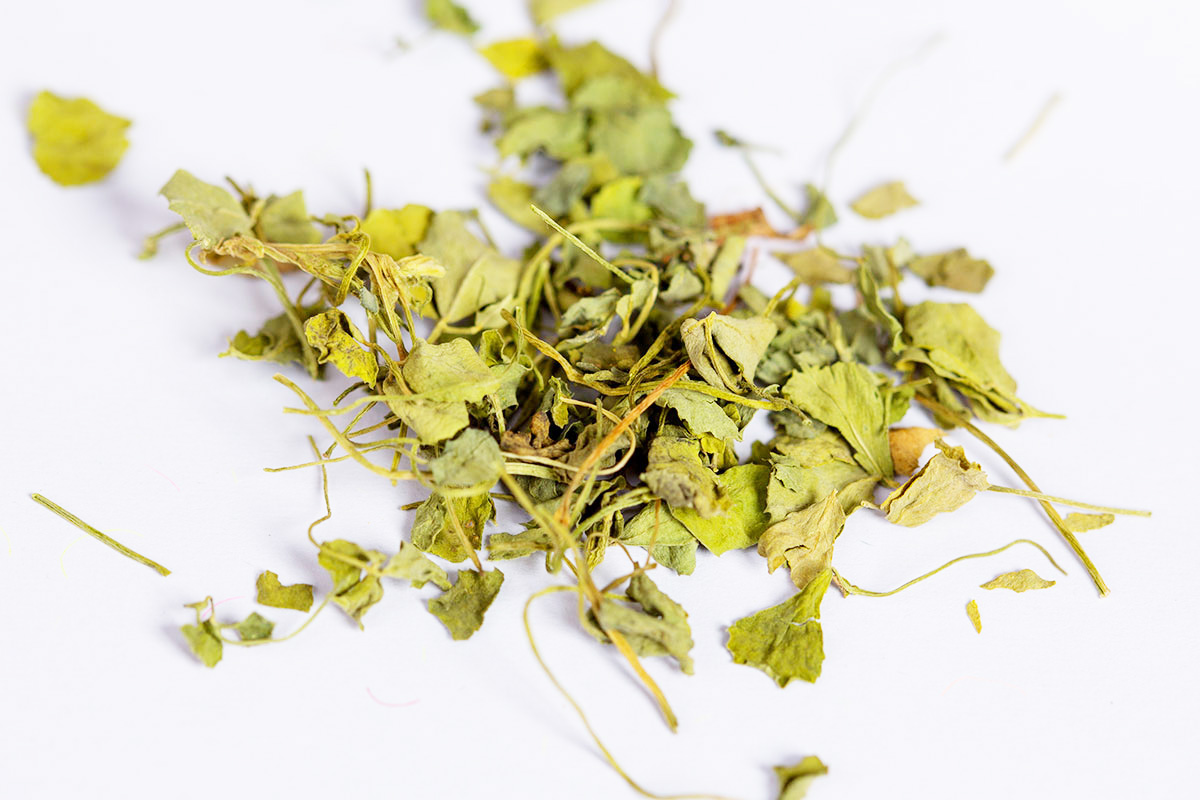
This article appeared in Yoga Aktuell, Oct/Nov 2017 issue
Brahmi promotes the divine powers in humans and is one of the best medicinal herbs for mental strengthening on the spiritual path. Mandukaparni, the anti-stress plant of Ayurveda, has also been used and revered for thousands of years as a brain-tonic medicinal plant
There are few things that traditional and modern systems of medicine agree on. But when it comes to the extraordinary effect of Brahmi (Bacopa monnieri) on the various functions of the brain, ancient healers and modern researchers alike go into raptures: This small creeping plant from the plantain family, which can be found in marshy areas and is also known in our part of the world as lesser butterwort or navelwort, is one of the best nerve and brain tonics from the plant world. It increases intelligence and learning ability, accelerates mental information processing and improves memory. This is due to the high levels of saponins it contains, which also have a strong anti-anxiety effect.
This makes Brahmi the ideal medicinal plant for pupils and students who want to improve their thinking and memory skills and reduce test anxiety. However, Brahmi is even better known for its use in the elderly. As a medhya rasayana (mental rejuvenator), it is used extremely successfully to increase cognitive performance in old age and has the potential to slow down the progression of Alzheimer's and dementia or prevent these diseases. This has also been confirmed by various studies from Australia and India. And as if all this were not enough, Brahmi, with its nerve cell-protecting and serotonin-harmonizing effect, is one of the best antidepressants in phytotherapy. Other areas of application include heart complaints, asthma and skin diseases.
Better learning with Brahmi
I can only confirm the positive effect of this miracle plant on the body and mind from my own experience. In many of my nutritional and psychological consultations, I have recommended Brahmi as a dietary supplement to improve memory and performance with great success. I am only too happy to think back to the grateful parents who sent me the good exam results of their children, previously plagued by ADHD, to prove the Brahmi effect.
However, for Brahmi to achieve this comprehensive effect, it is not enough to take one or two teaspoons of the dried plants in powder form or as a tea every day. Only in combination with a healthy diet, relaxing exercise and a loving emotional environment does the body receive all the building blocks for holistic regeneration. Brahmi unfolds its mental spectrum of effects even more intensively when it is taken as a fresh plant and in combination with a little ghi (butterfat). It is therefore highly recommended to keep a Brahmi potted plant on the kitchen windowsill or in the bathroom and add the small leaves to your smoothie or salad. This marsh plant, originally from South and Southeast Asia, can feel quite at home in the warm and humid climate of our kitchen or bathroom. However, whether it develops the same content of alkaloids, saponins, bacosides and other active substances in these locations has not yet been investigated.
In Ayurvedic psychology, Brahmi is a much-used "enhancer" for the mind. It is said to support the effects of meditation, yoga and mindfulness training. The ancient Ayurvedic scriptures impressively describe how Brahmi increases the sattva quality of the mind, builds up ojas (immunity) and opens the subtle energy centers (chakras). It therefore provides excellent support for the regenerative effect of yoga and meditation on the mind.
Burnout prevention with Mandukaparni
As an alternative to Brahmi, the similarly effective medicinal plant Mandukaparni is often used. Although mandukaparni (Centella asiatica) belongs to the umbelliferae family, which also includes carrots and dill, for example, you might think it is botanically related to brahmi. Not only do they both love the marshy soil and warm, humid climate, they have also been used and revered together for thousands of years in India and China as brain-tonic medicinal plants. Mandukaparni is also known as Gotu Kola, Fo-Ti or Asian pennywort. Like Brahmi, Mandukaparni is also rich in bacosides and therefore promotes brain activity in terms of concentration and memory and also has an anxiolytic and calming effect.
Mandukaparni stands out in particular for its adaptogenic anti-stress effect. When taken regularly, it has been proven to improve circulation in the brain, support blood circulation and help combat stress-related complaints such as high blood pressure, migraines, nervousness and stomach and intestinal ulcers. Mandukaparni is therefore also an excellent regenerative and energy-boosting anti-burnout plant for treating mental and psychosomatic illnesses. This effect is enhanced by an easily digestible diet with lots of alkaline root and leafy vegetables and the avoidance of all cold, acidic and fermented foods and drinks.
If we eat the portulaca or watercress-like mandukaparni leaves as a salad together with pumpkin and zucchini stewed in ghi and a pomegranate topping spiced with ginger, turmeric and mullein (ajwain), we have the perfect recipe for balancing stress from the perspective of Ayurvedic dietetics.
 If we primarily need memory-strengthening support to absorb and store new information, Brahmi is the herb of choice. If we are already suffering from stress-related exhaustion and stress symptoms, Mandukaparni is the preferred nerve tonic.
Brahmi or rather Mandukaparni?
Many people find it difficult to distinguish which of the two "smart herbs" they should give priority to. If we primarily need memory-strengthening support to absorb and store new information, Brahmi is the herb of choice. If we are already suffering from stress-related exhaustion and stress symptoms, Mandukaparni is the preferred nerve tonic.
Or we can do as the ancient Ayurvedic doctors did and combine both medicinal plants. Ayurvedic herbalism recommends taking 2 x 2 g of the medicinal herbs daily, preferably in the morning before breakfast and in the evening before going to bed. If possible, the dried plant powder should be preferred to tablets, as all brain-tonic and cell-regenerative food supplements are particularly effective when they come into contact with the mucous membranes. Honey is suitable as a carrier substance and to improve the taste. The addition of a drop of ghi or sesame oil is necessary as a transmitter for the release of the phytotherapeutic active ingredients.
If the medicinal plants are available to us as fresh herbs - you can simply try growing the plants in a flower pot - then the vitalizing and healing effect is increased many times over. Because with a salad or green smoothie made from Brahmi and Mandukaparni, we can cope with any stress from an Ayurvedic point of view.
This article is intended for general information only and does not replace medical advice, diagnosis or treatment. Since the effect of Ayurvedic herbs and dietary supplements depends individually on one’s constitution and life situation, we recommend obtaining a therapeutic diagnosis and prescription from a qualified Ayurveda practitioner before use – particularly regarding dosage, timing and duration of intake. Any application is at your own responsibility.