

The Ayurvedic diet
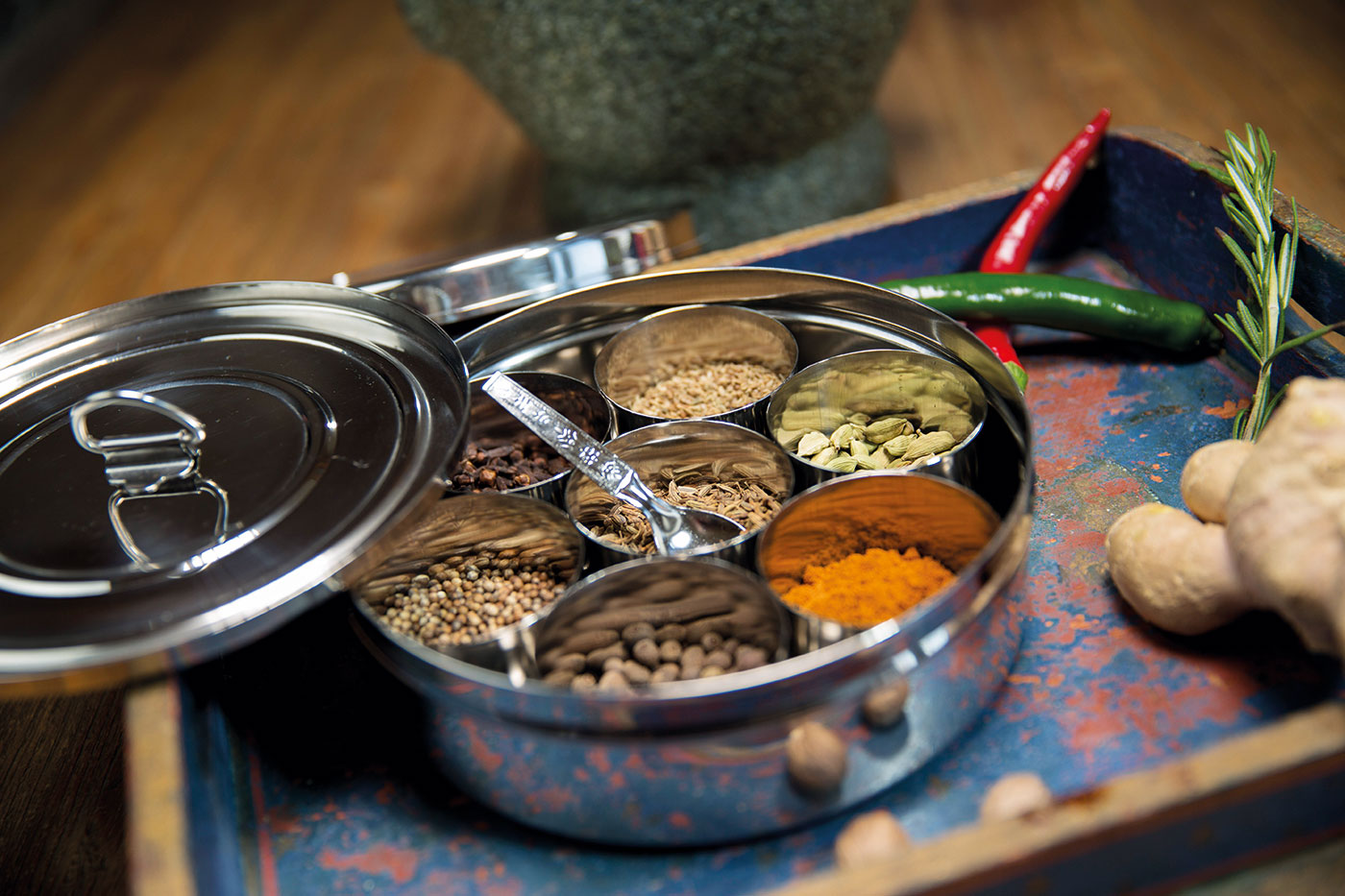
The Ayurvedic diet
Ayurveda, the 5,000-year-old medicine of India, includes a complete system for nutrition. It is based on individually composed and well-tolerated meals.
With a keen sense for the intelligent use of all the treasures of nature, an Ayurvedic diet takes into account the physical and mental needs of the individual. As a result, food not only provides valuable vital energy, but also physical health, a contented soul and a clear mind.
Ayurvedic nutrition combines effective nutritional therapy with creative cooking. Fresh foods are selected to suit the constitutional type as well as the time of day and the seasons and are thus tailored to the individual metabolism.
Ayurvedic herbs and spices give the prepared dishes a variety of flavors and have a positive effect on the human organism.
Characteristics of the Ayurvedic diet
-
Ayurvedic nutrition is type-appropriate .
An Ayurvedic nutritionist makes recommendations based on the individual constitution and its disorders.
-
Ayurvedic nutrition differentiates between mental, emotional and physical effects.
Depending on individual needs, the diet is tailored to the renewal of body tissues, healing, happiness or personal development.
-
The Ayurvedic diet is suitable for everyday life.
The rules and simple recipes are customized according to lifestyle.
-
The cycles of life are taken into account.
The selection and preparation of food corresponds to the phases of life, seasons and times of day.
-
Ayurvedic cooking is undogmatic and imaginative.
The food is prepared differently according to individual taste and culture, so that it is tasty and sensually fulfilling.
-
Ayurvedic nutrition is medicine.
Depending on the state of health, special diets and cures can promote the healing process.
10 basic rules of Ayurvedic nutrition
In addition to a large catalog for individual constitutional and metabolic balancing, Ayurveda also has some basic rules that everyone should take into account in their diet if they want to promote their health and increase their performance. The following dietary rules help to constantly balance the individual Dosha balance and optimize digestive processes. They can be integrated into the daily diet and can also be used specifically as part of a nutritional therapy diet.
1. The right amount
Eat in moderation, as both too much and too little food lead to disorders. To do this, divide the capacity of your stomach into quarters in your mind: two parts are intended for solid food and one part for liquid food (such as drinks or soups); the fourth part should remain free so that the digestive functions are not disturbed.
2. Do not drink with meals
In order not to extinguish the digestive fire, you should not drink anything for one to one and a half hours before and after eating. However, sipping a glass of hot water with a meal has been shown to aid digestion. Digestion-stimulating teas before meals are also an exception. Warm tap or still mineral water and herbal teas are best for general fluid intake.
3. Eat high-quality food
Your food should always be pure, i.e. of high quality, fresh and prepared with love. Home-grown produce and organic food stores offer the best quality, as the products here contain as few fertilizers, insecticides, preservatives and harmful substances as possible. You should also give preference to food from the local area and seasonal produce.
4. Give preference to cooked and home-prepared meals
If possible, cook your own food and eat warm meals. Warm food stimulates digestion and metabolism. Even food that is difficult to digest can then be broken down and utilized better. At a minimum, the main meals (lunch and dinner) should be prepared warm.
5. Individuality in food selection and preparation
When choosing food, consider your personal preferences and tolerances, i.e. your constitution (Prakriti) and your current health problems (Vikriti).
6. Eat in peace and chew well
Eat calmly, but not too slowly. Chew the food thoroughly and give your full attention to the pleasure of eating. This takes a lot of work off your stomach and intestines.
7. Eat in a pleasant atmosphere
Eat in a suitable place that is furnished with things that make you feel good