

Wheat - 8 factors for good tolerance
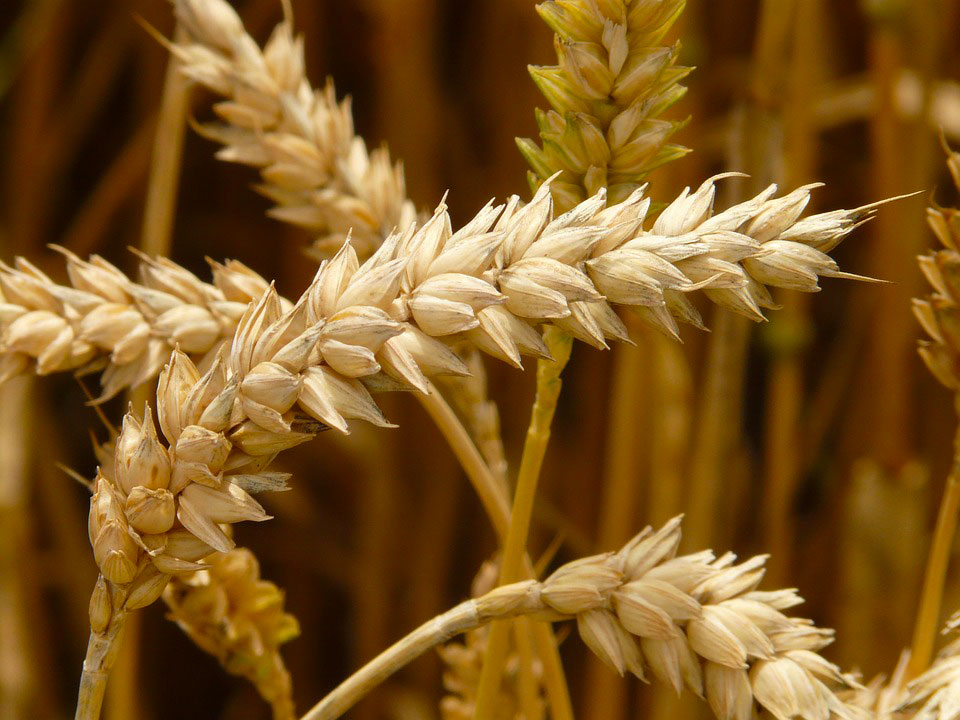
Reife Weizenähren in goldener Nachmittagssonne als Symbolbild für Getreide in der Ayurveda-Küche: Brote, Fladen und Beilagen aus Weizen gehören in moderater Form zur ganzheitlich-bewussten Ernährung am Rosenberg Ayurveda Gesundheits- und Kurzentrum.
Wheat - 8 factors for good tolerance
In Ayurveda, wheat is an important component of the daily diet. Alongside rice and mung beans, it is one of the most important sources of nutrients for building tissue and is included in every traditional Ayurvedic menu in the form of chapati (flatbread) or desserts.
Ayurvedic scriptures describe wheat as an easily digestible grain that strengthens the body and psyche, has an aphrodisiac effect (vrishya) and is particularly characterized by its binding and unifying powers (sandhankara). These healing qualities of wheat are used in diets in the form of healing soups for broken bones and special Laddhu recipes to increase fertility or mental performance. Wheat starch - like seitan - is recommended for people with excessive digestive fire (tikshna agni) and hyperacidity (amla pitta).
Pros and cons of wheat
Whenever I talk about the Ayurvedic description and use of wheat in my Ayurveda lectures and nutrition seminars, this always triggers great controversy. After all, wheat is one of the most widely consumed grains today, but also one of the most frowned upon foods in the western world. The general tenor is that wheat makes you fat, stupid and ill. More and more people are suffering from wheat intolerance and are eliminating agonizing digestive complaints, chronic fatigue and allergic symptoms simply by strictly avoiding wheat products.
So who is right? The pros and cons of wheat seem insurmountable. And yet, from an Ayurvedic perspective, there is no contradiction if we take a closer look at the subject:
The Ayurvedic descriptions of wheat refer to the ancient varieties that have been used to feed humans for thousands of years and are known today as einkorn or emmer. Spelt is also one of the ancient grains, which is related to wheat and has many similar properties. Both are characterized by a sweet taste (madhura rasa), heavy (guru) and oily (snigda) properties, sweet taste after digestion (madhura vipaka) and cooling, anabolic potency (shita virya) and are highly recommended in the Vata- and Pitta-regulating diet. The special thing about wheat, however, is that it is very easy to digest despite its restorative and regenerative effect. It takes a little more digestive power to metabolize spelt. This makes wheat the number one choice for emaciated and weak people who suffer from a Vata disorder.
Old and new wheat varieties
Unfortunately, these positive qualities no longer apply to modern wheat. The highly bred and often genetically manipulated varieties of modern wheat are higher yielding, grow faster and now contain almost 50% gluten. Compared to the original wheat varieties, the gluten content has thus increased tenfold and it is no wonder that the human organism is unable to digest modern retort wheat. And so we can also confirm this from an Ayurvedic perspective: Yes, what we understand by wheat today is incompatible and unhealthy. However, if we use the "old" wheat varieties such as einkorn or emmer, wheat is an easily digestible staple food. This can also be confirmed by many patients who have not been proven to have coeliac disease but still suffer from symptoms of gluten intolerance - such as flatulence, diarrhoea, tiredness, fat accumulation and much more. If these people are careful to strictly avoid conventional wheat products and instead prefer the old wheat varieties (which are often processed in Demeter and organic products), they experience a direct improvement in their condition. All the more reason not to compromise on the quality of your daily diet and always give preference to high-quality organic products!
8 factors to make wheat better tolerated
For many people, using the right ancient wheat variety is the key to being able to digest and enjoy this tasty grain again. However, Ayurveda describes a total of eight food factors that determine what is healthy and unhealthy and should be taken into account, especially in the case of "critical" foods, intolerances and digestive disorders:
1. Prakriti - the properties of food
As already described, the healthy properties of wheat refer to the old wheat varieties, which are grown organically and without genetic manipulation in a high-quality manner.
2. Karana - The preparation of the food
According to Ayurveda, in order to metabolize wheat well, it is recommended to always eat it in cooked or baked form (not raw). Roasting it beforehand increases the dry (rukshna) and light (laghu) qualities, making it even easier to digest. The addition of spices also improves the digestibility of food: To improve gluten tolerance, according to Ayurveda, cumin and ajwain help best.
3. Samyoga - the combination of food
Wheat has a nourishing, regenerative and tissue-building quality. This is enhanced when we prepare wheat - e.g. in the form of semolina or cous-cous - with milk, nuts, dried fruit, fat and protein-rich foods. Those who cannot tolerate wheat so well due to its gluten content should prepare it primarily with a little ghee, bitter leafy vegetables and metabolism-stimulating spices - especially cumin and ajwain.
4. Rashi - the amount of food
Eating too much is the most common cause of diet-related complaints. So it's no wonder that many people suffer from wheat intolerance when almost every meal contains wheat bread, wheat dough, wheat pasta or similar. Instead, attention should be paid to a varied selection of cereals and balanced menu planning.
5. Desha - the origin of the food
In Ayurveda, regional foods are always best absorbed by the body! So if we have the opportunity to buy the old wheat varieties from a local organic farmer, all the better!
6. Kala - the time of intake
It is not only what we eat, but also when we eat it that determines how well we tolerate it. According to the chronobiological dosha clock of Ayurveda, the best times to eat wheat are always when Vata (and possibly Pitta) is high and Agni is low, i.e. especially in the early evening, in cold winter and in hot summer.
7. Upeyoga Sanstha - place and atmosphere when eating
In order to digest food well, psychological and energetic factors should also be taken into account. Only in a relaxed, clean place and without unpleasant company, TV, cell phones, stress or arguments can the parasympathetic digestive processes work optimally. Many fast food products are based on wheat and are consumed inappropriately. This often exacerbates the intolerance.
8. Upyokta - emotions when cooking and eating
Mindfulness and loving emotions when cooking and eating improve the positive effect of food. Negative emotions, on the other hand, worsen tolerance. In this sense, a negative or fearful attitude towards a food such as wheat can also have a direct influence on the digestive process.